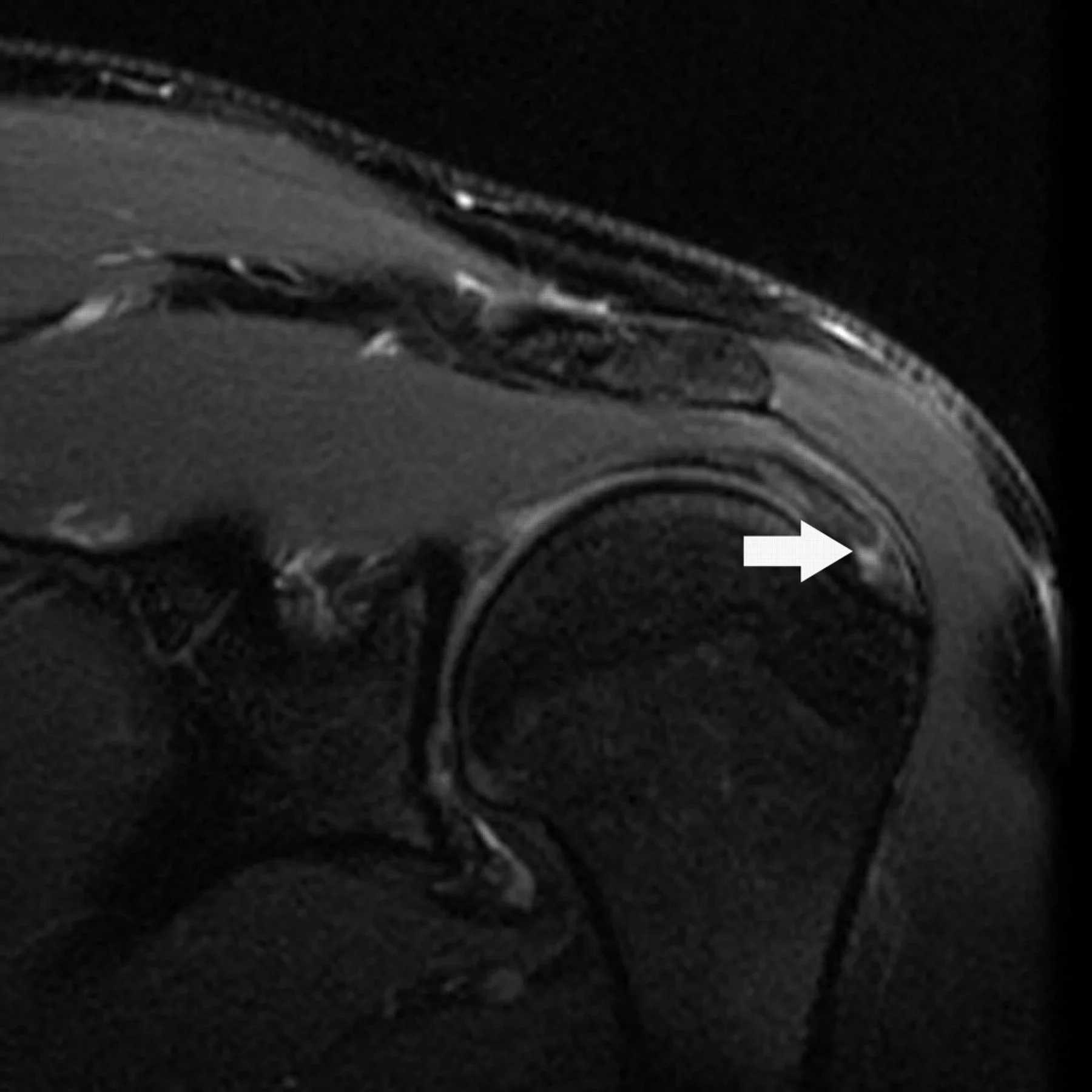
Is Platelet-Rich Plasma (PRP) a Valuable Addition To Physical Therapy For Partial Rotator Cuff Tears?
The researchers concluded that the combination of PRP and physical therapy is more effective than physical therapy alone for treating articular-sided partial rotator cuff tears. The combination of PRP and physical therapy appears to offer a synergistic effect where the physical therapy restores movement and the PRP helps "bridge" the physical gap in the tear.
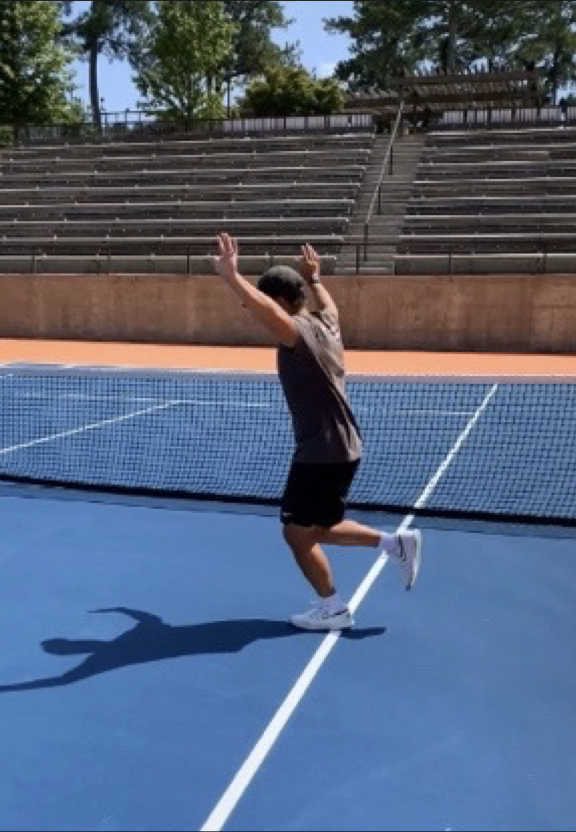
Tennis Injury Risk Reduction: Can a 10 Minute Warm-Up Actually Work?
The takeaway is simple: Long-term habits limit risk of injuries. Most recreational players skip the warm-up or cool-down because they feel it takes too much time or isn't "on-court" friendly. Designed for convenience, the Tennis 10+ program offers a 10-minute evidence-based method to reduce injury risk right where you play.
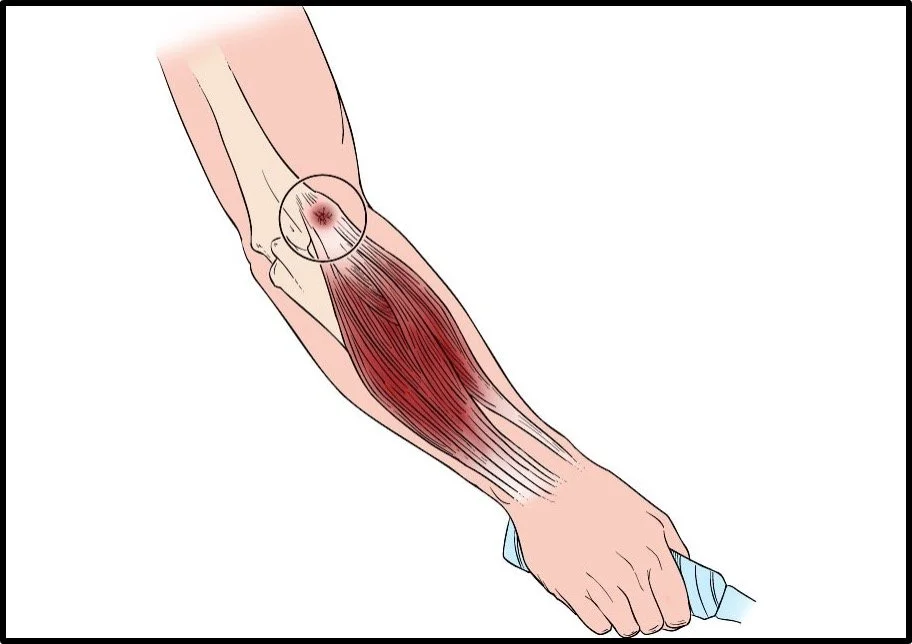
Research Update: Platelet-Rich Plasma (PRP) Treatment for Chronic Tennis Elbow
Purpose of Study: To evaluate whether PRP, prolotherapy, and shockwave therapy (ESWT) provide superior clinical outcomes over 24 months compared to physical therapy for patients with common extensor tendinosis (tennis elbow).

Knee Osteoarthritis Research Update: Platelet-Rich Plasma (PRP) vs. Hyaluronic Acid (Gel)
Which is a Better Option: PRP or Gel?
This is a common question encountered in my daily clinical practice. A recent publication in Arthroscopy: The Journal of Arthroscopic and Related Surgery provides an up-to-date evidence-based answer.

Rotator Cuff Tendinitis: PRP vs. Cortisone
For patients with chronic pain due to rotator cuff tendinopathy, current clinical evidence suggests PRP may lead to greater long-term improvement in pain and function compared to corticosteroid injection.

Patient Success Story: PRP for Hamstring Tendinitis with Partial Tear
Endeavor Health (formerly known as NorthShore University HealthSystem) recently detailed the success story of one of Dr. Verma’s patients who underwent PRP injection for a hamstring injury in its HealthyYou blog post.