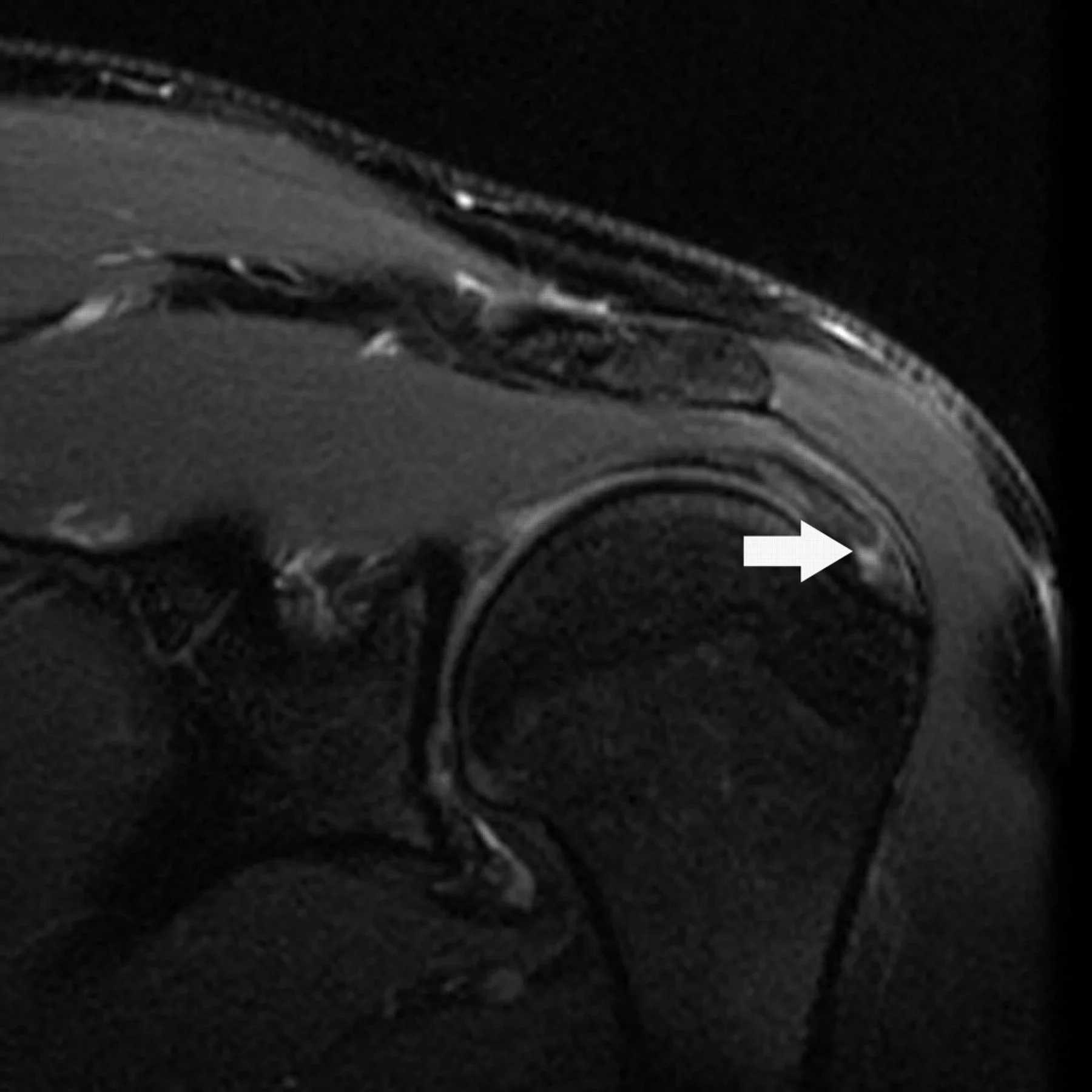
Is Platelet-Rich Plasma (PRP) a Valuable Addition To Physical Therapy For Partial Rotator Cuff Tears?
The researchers concluded that the combination of PRP and physical therapy is more effective than physical therapy alone for treating articular-sided partial rotator cuff tears. The combination of PRP and physical therapy appears to offer a synergistic effect where the physical therapy restores movement and the PRP helps "bridge" the physical gap in the tear.
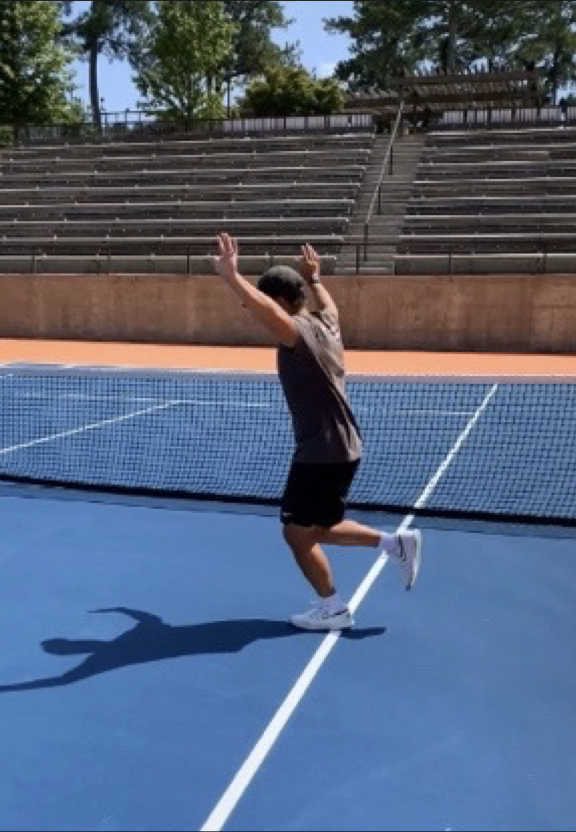
Tennis Injury Risk Reduction: Can a 10 Minute Warm-Up Actually Work?
The takeaway is simple: Long-term habits limit risk of injuries. Most recreational players skip the warm-up or cool-down because they feel it takes too much time or isn't "on-court" friendly. Designed for convenience, the Tennis 10+ program offers a 10-minute evidence-based method to reduce injury risk right where you play.

Rotator Cuff Tendinitis: PRP vs. Cortisone
For patients with chronic pain due to rotator cuff tendinopathy, current clinical evidence suggests PRP may lead to greater long-term improvement in pain and function compared to corticosteroid injection.

Tennis Medicine: Endeavor Health Partners with College Park Athletic Club
Dr. Verma, director of the Endeavor Health Tennis Medicine Program, recently led development of an exciting new partnership between Endeavor Health and College Park Athletic Club (CPAC) in Bannockburn, Illinois.

Patient Success Story: Tenex Procedure for Hip Gluteal Tendinitis
Endeavor Health (formerly known as NorthShore University HealthSystem) recently detailed the success story of one of Dr. Verma’s patients who underwent the Tenex procedure for hip (gluteal) tendinitis in its HealthyEndeavors blog post.

Patient Success Story: PRP for Hamstring Tendinitis with Partial Tear
Endeavor Health (formerly known as NorthShore University HealthSystem) recently detailed the success story of one of Dr. Verma’s patients who underwent PRP injection for a hamstring injury in its HealthyYou blog post.

PRP is an Evidence-Based Treatment for Degenerative Meniscus Tears
We have learned that surgery may not be an effective long-term treatment for degenerative meniscus tears. Therefore patients who have not responded to physical therapy and bracing may fall into a treatment gap in which seemingly no evidence-based options exist.
Platelet-rich plasma (PRP) is a treatment which is gaining evidence and may fill the aforementioned gap for the treatment of degenerative meniscus tears.
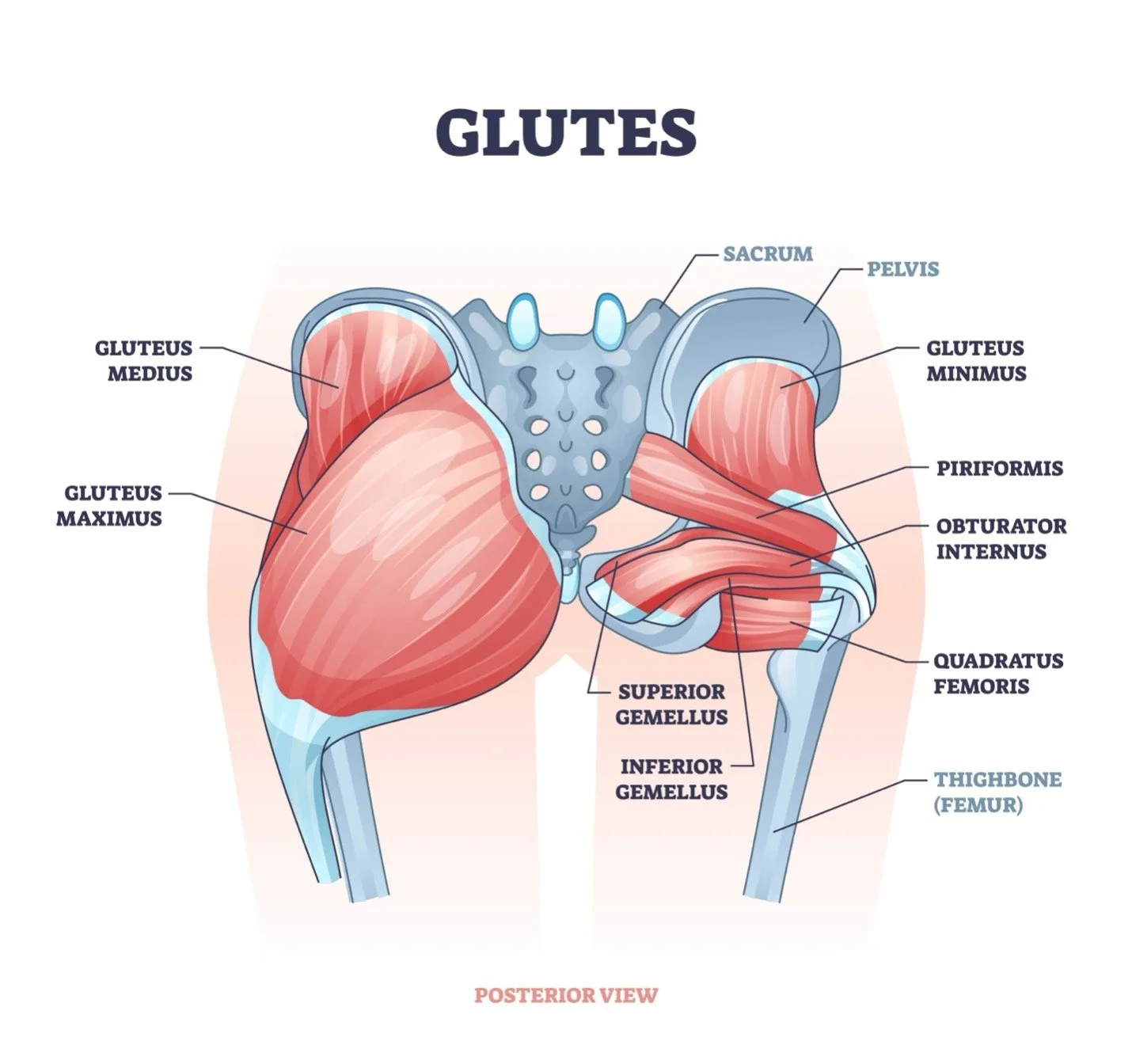
Gluteal Tendinopathy - What To Do When Physical Therapy Doesn’t Work
Gluteal tendinopathy is a chronic degenerative change in the lateral (outside) part of the hip caused by a repetitive cycle of microtrauma and improper healing.

Youth Sports Injury Prevention Strategies: Evidence-Based Guidelines
Over 30 million children and adolescents participate in organized sports in the United States.¹⁻³ While there are certainly clear benefits of participation in youth sports such as motor skill development and social development opportunities, some of the known risks include sport-related injury and burnout.⁴⁻⁶ The purpose of this blog post is to highlight two studies that resulted in evidence-based guidelines to help limit the risk of overuse injuries in young athletes.

Ultrasound-Guided Injections – A Review of the Evidence
Injections are a common part of treatment plans in orthopaedics and sports medicine, providing therapeutic relief of pain and improvement in function. Furthermore, injections may be used as a diagnostic tool to guide treatment.

Why Use Diagnostic Musculoskeletal Ultrasound?
While the first report of the use of diagnostic ultrasound for musculoskeletal purposes dates to the 1950’s (Dussik et al., 1958), its use within orthopaedics has accelerated over the past 10-15 years due to its accessibility and image resolution capabilities.

Tenex for Tennis Elbow – Patient Outcomes at 7-Year Follow-Up
Treatment with Tenex for tennis elbow is a safe and effective treatment with long-term sustainable improvement in pain and function.